Why filter tap water?

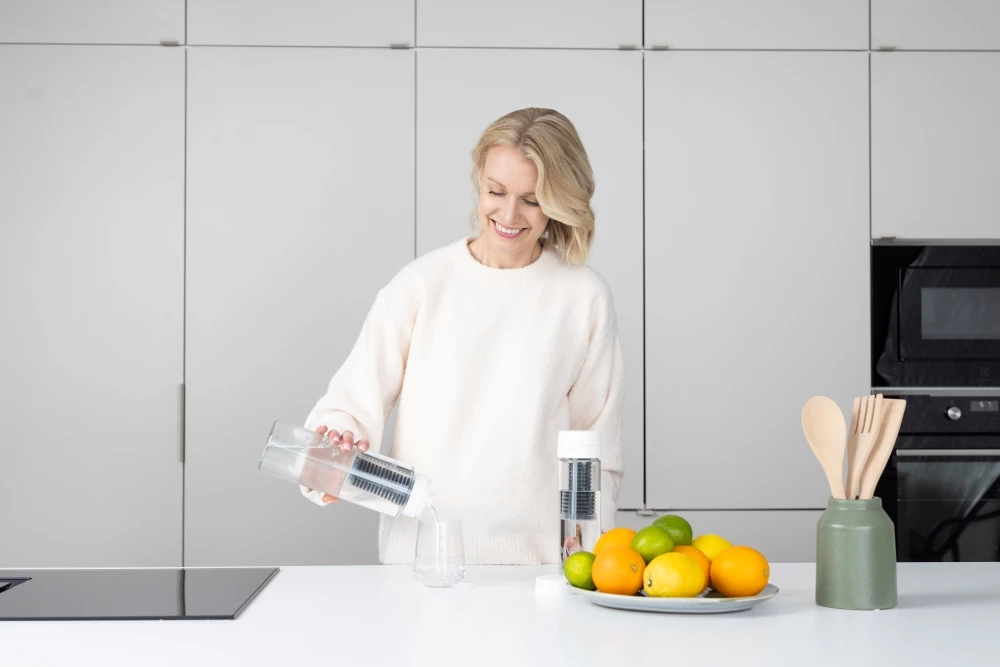
Fresh, Clean Water for Everyday Well-Being
Water filtration offers a simple way to improve your everyday water experience. Whether you want better-tasting drinking water, a more comfortable shower or greater control over unwanted substances, choosing the right filtration solution can make a difference.
Why purify tap water?


There are problems with old pipes

There are drug and hormone residues in the water
Traces of pharmaceuticals and hormones have been detected in water sources, raising questions about their potential impact on water quality and the environment.
Conventional wastewater treatment processes are not always designed to remove every trace of these substances. As a result, certain compounds may remain in the water cycle, although their presence in drinking water varies depending on the water source and treatment methods.
The long-term environmental effects of some of these compounds are still being studied. Particular concerns include the potential effects of hormone-active substances on aquatic ecosystems and the role of antibiotic residues in the development of antimicrobial resistance.
Advanced water filtration technologies can help reduce certain unwanted substances, depending on the filtration method used.

Say Goodbye to Unwanted Hair Discolouration
Metals such as copper, along with other substances present in water, can sometimes affect the appearance of blonde, light-coloured or bleached hair, occasionally causing unwanted discolouration.
Reducing certain metals and chlorine in shower water may help protect your hair colour and keep it looking its best.

Water also affects the condition of your hair
Hard water minerals and chlorine can contribute to hair feeling dry, rough or difficult to manage. Mineral deposits may also build up on the hair, affecting its texture and appearance.
Using a suitable shower filter can help reduce certain substances in water, leaving hair feeling softer and easier to manage.

Say goodbye to limescale and discoloration in your bathroom
Tired of limescale deposits and unsightly stains on your bathroom surfaces?
Hard water contains minerals such as calcium and magnesium, which can leave deposits on shower screens, taps and other bathroom fixtures. Iron in water can also contribute to discolouration and staining.
A shower filter can help reduce these impurities or manage their effects, making everyday bathroom maintenance easier.

Microplastics as a problem
Microplastics have become an increasing environmental concern, with tiny plastic particles detected in water sources around the world.
These particles originate from a variety of sources, including the breakdown of larger plastic products, synthetic textiles, industrial processes and everyday household activities. They can enter rivers, lakes and other water sources through wastewater, runoff and environmental pollution.
Microplastics vary greatly in size, with some particles so small that they can only be detected using specialised laboratory equipment.
Researchers are continuing to investigate their potential effects on human health and the environment. Although microplastics have been detected in drinking water, the health implications of long-term exposure are not yet fully understood.
Certain water filtration technologies can help reduce microplastic particles, depending on their size and the filtration method used.

Chlorine dries out the skin
Chlorine is commonly used in drinking water treatment to help control harmful microorganisms and maintain water hygiene.Some people find that chlorinated water leaves their skin feeling dry or uncomfortable, particularly if they already have sensitive skin.
Shower filters designed to reduce chlorine may help make showering more comfortable and leave skin feeling softer.

Bacteria thrive in plumbing
Even though domestic water is purified and disinfected at a water treatment plant, there are always microbes in the water pipes, such as yeast, mold, and bacteria, which can degrade the water quality.
Natural substances and microbes in the water quickly form a biofilm on the inside of pipes. Biofilm is a collective term for the slime that accumulates on the inside of all pipes. It is a thin layer of slime that also serves as a haven for yeast, mold, and various other microbial strains, as well as bacteria.
Even though the water fed into the pipes is disinfected with chlorine, microbes can always be released from the biofilm layer from time to time, for example due to fluctuations in pressure or flow.
Especially in old properties or areas with irregular water use, the general hygienic quality of the water can sometimes be very poor.

Chlorine irritates the eyes and respiratory system.
Chlorine irritates the eyes and inhaling it in small amounts over time can have a detrimental effect on the human respiratory system. The result can be coughing and chest pain, among other things.

Filtered water bottle AQVA BOTTLE
Finnish online shop


AQVA Finland
Open on weekdays 09–17
010 321 5080 (Mon–Fri, 10:00–15:00)
myynti@aqva.fi
Business ID: 2351337-8
