Well Water to Drinking Water

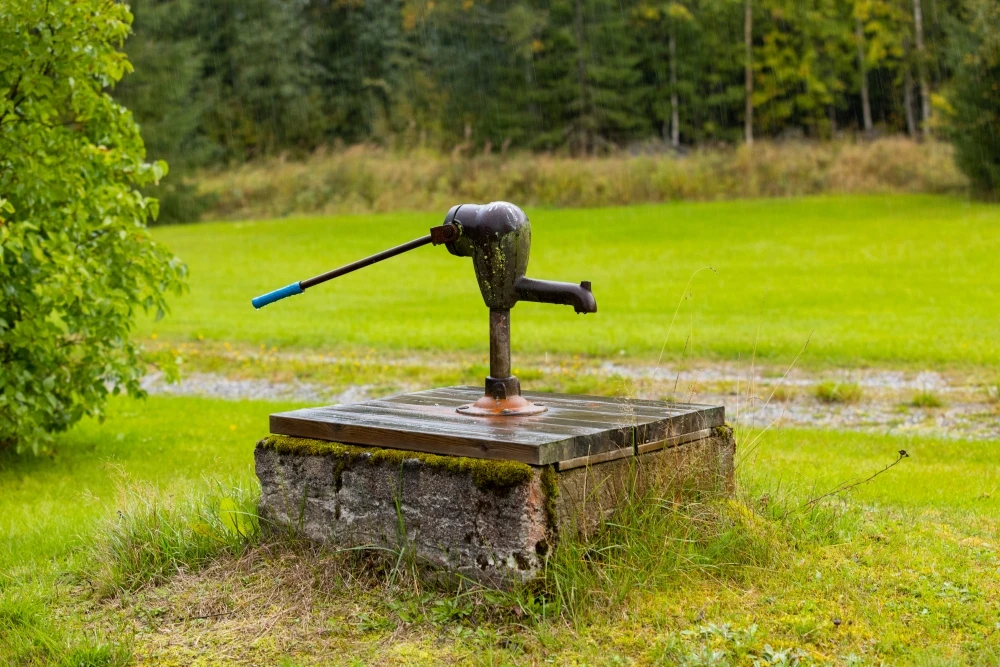

By filtering well water, you ensure consistent quality of drinking and service water.
Does the well water have a strange smell or a cloudy color? Is seawater and solids getting into the well? Or were impurities found in the well water during the water analysis? In AQVA's selection you will find a solution for improving the quality of well water or purifying the water, whether it is a ring or borehole well . Different wells have different types of problems, but our selection includes options ranging from reducing the humus content to filtering out iron. Well water can be filtered for washing or service water or drinking water or for both needs.
Do you want to filter water from sources other than a well? Learn about filtering lake water or filtering seawater !
Why might well water require filtration?

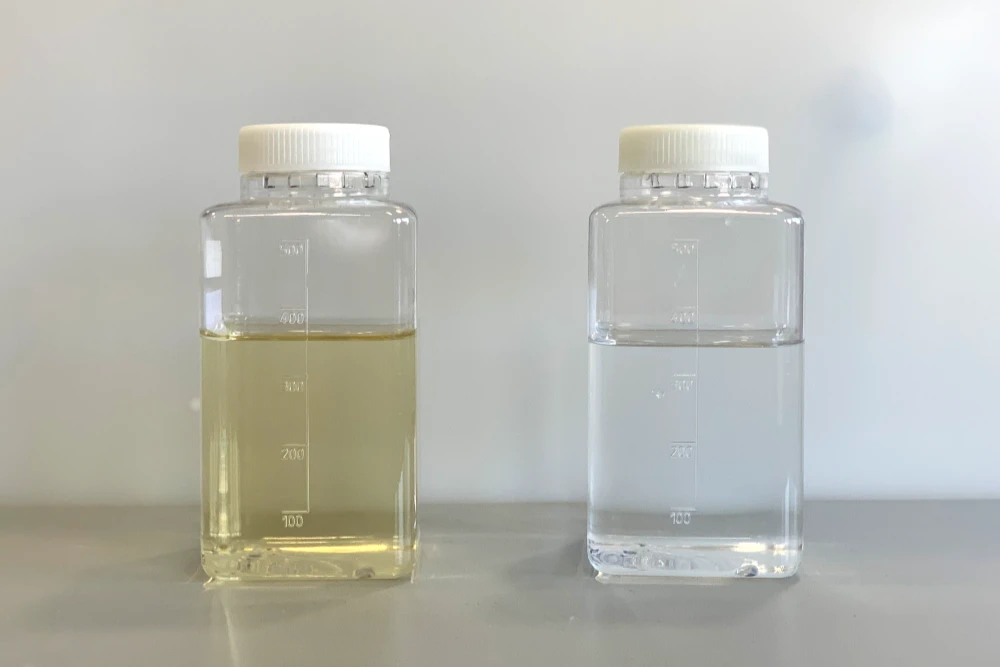
The smell, taste, or color of the water
Compounds harmful to health
Damage to instruments and piping
A water analysis is first performed on the well water.

When well water comes from rainwater, meltwater or groundwater that has seeped into the soil, its quality varies depending on the characteristics of the soil. Well water can contain a variety of contaminants, requiring different types of filters. It is important to conduct a sufficiently comprehensive water analysis before purchasing a device for filtering well water.
Even when a new well has been drilled, it is a good idea to conduct a comprehensive analysis of the water quality. Even if everything seems to be in order to the senses, not all harmful substances and bacteria can be detected without laboratory testing, which is why testing the water is important. The water quality should also be monitored, as the quality of well water can vary depending on meltwater, rainwater and usage. We recommend conducting a follow-up analysis every 2-3 years.
The appropriate well water analysis depends on the type of well (bore or ring well) and the purpose of the water, for example whether the water is used as drinking water. If the well water has not been tested at all before, it is recommended to have a comprehensive water analysis or an extra-comprehensive water analysis for the borehole. For ring wells, we recommend the Well Water Analysis + Bacteria package . You can enter the results of the water analysis into our handy filter search engine , which will tell you the right technology and filter device size, after which our water expert will confirm the filter type.

AQVA BOX – Reverse osmosis unit for filtering lake, sea, and well water
Finnish online shop


AQVA Finland
Open on weekdays 09–17
010 321 5080 (Mon–Fri, 10:00–15:00)
myynti@aqva.fi
Business ID: 2351337-8
