Purifiction methods

The most commonly used water purification methods and their uses
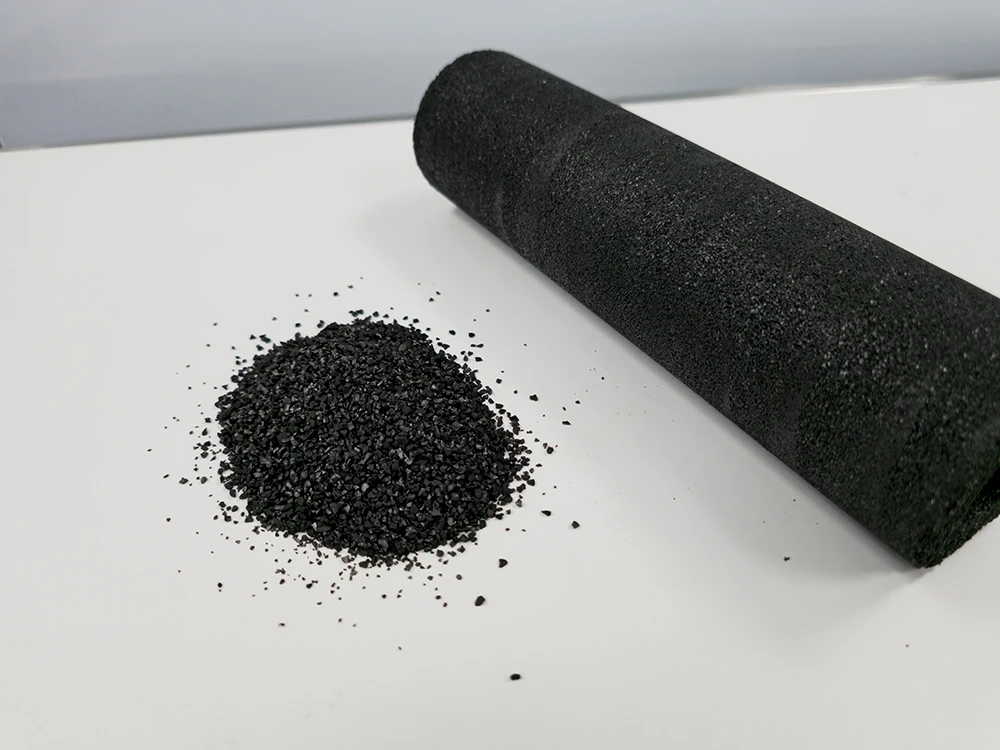
Adsorption filters: activated carbon (granular, fibrous and bituminous pressed)
An adsorption filter is like a sponge that absorbs impurities and lets water through. Activated carbon is used as a filter. Activated carbon is a highly porous carbon with a huge number of small holes and cavities. Thanks to these pores, activated carbon is able to absorb various substances, such as toxins and impurities. Activated carbon is not "ordinary carbon", but has been further processed to obtain porosity.
Activated carbons differ in their absorption surface areas and shapes. Different shapes include granular activated carbon, fibrous activated carbon and activated carbon press. Granular activated carbon is well suited for filtering large volumes of tap water in wells, for example. Fibrous activated carbon, on the other hand, is ideal for jug and tap filters, where efficient filtration in a small size is required. Fibrous activated carbon has enormous power in a small space. The advantage of activated carbon press is their compactness, which enables the filtration of solids and fines at the same time.
What is it for? Activated carbon is almost always used as a component in filters. It may be combined with other technologies, such as ion exchange. Activated carbon can be used to filter odor, taste, color, antibiotic, drug and hormone residues, organic compounds, radon, and several metals from water.
Ion exchange masses
An ion exchange filter works by exchanging the ions of harmful impurities in the water. The small granules of ion exchange media are electrically charged. There are hundreds of different ion exchange media available, and they can be mixed for different purposes. They can be used to separate, for example, gold or iron from water.
For what purpose? Ion exchange filters are suitable for filtering all types of water impurities, when the quality and intended use of the ion exchange filters are correct. The most common purpose of water filtration is, for example, filtering manganese, metals and heavy metals or reducing hardness, i.e. lime, in water.
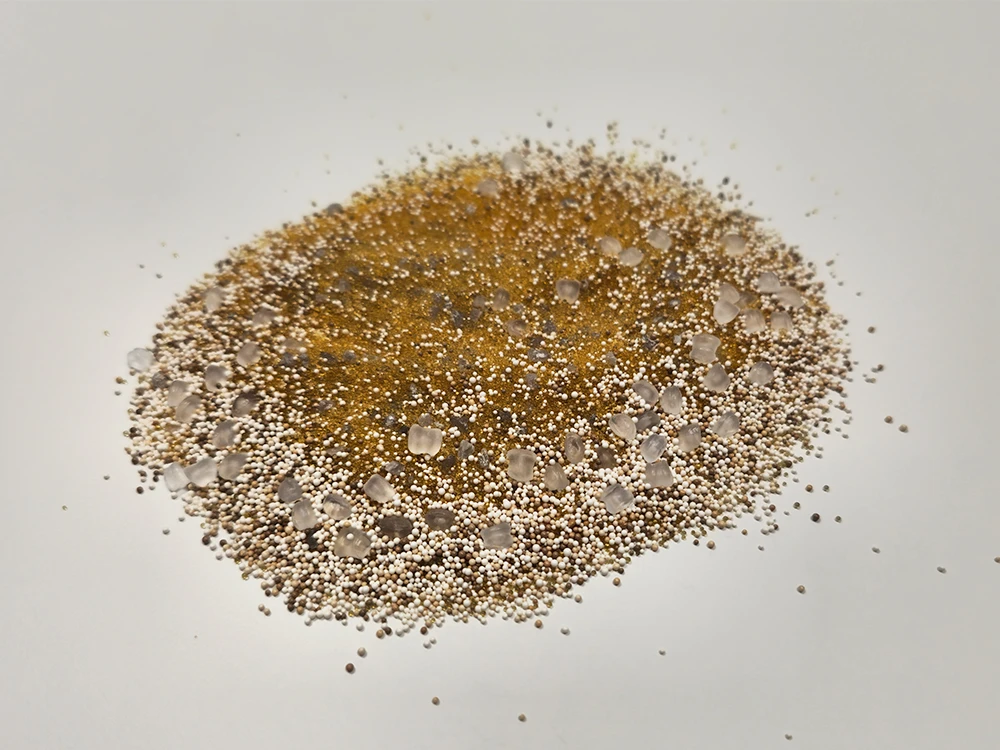
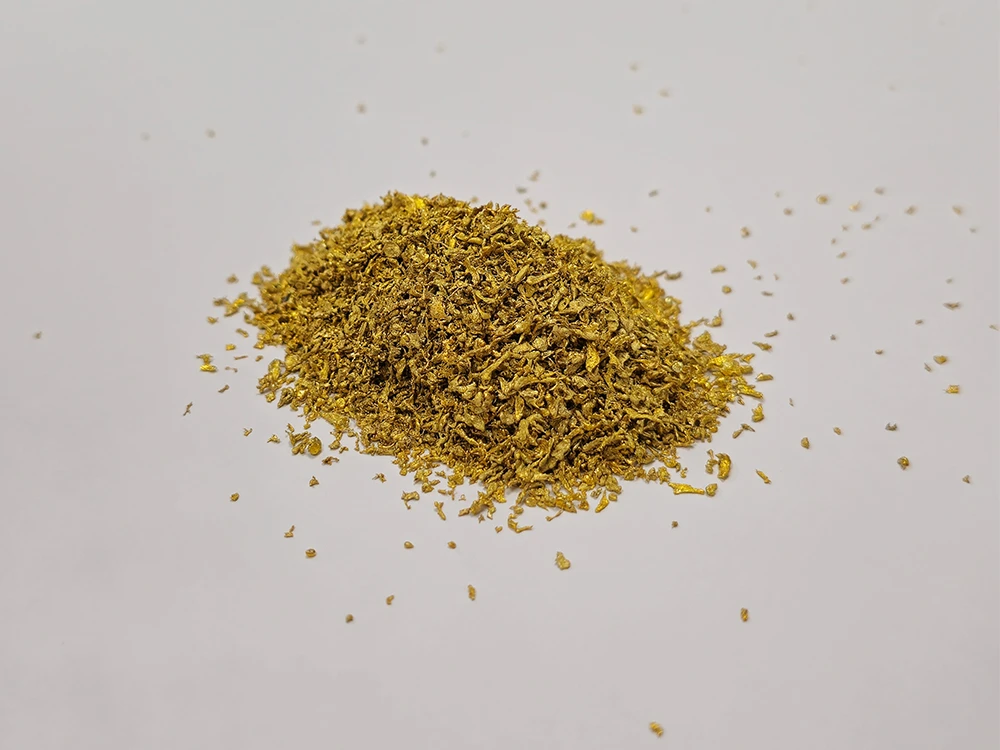
Oxidation-reduction reaction
An oxidation-reduction reaction is a chemical reaction in which one or more electrons are transferred, in whole or in part, from one atom to another. Simply put, one substance donates electrons (is oxidized) and another accepts them (is reduced). The reaction converts harmful impurities into harmless substances.
What is it for? The method effectively removes microorganisms, algae, chlorine and heavy metals from water. It is also suitable for neutralizing gaseous pollutants, such as hydrogen sulfide.

What is TDS? Facts and myths about water quality
Finnish online shop


AQVA Finland
Open on weekdays 09–17
010 321 5080 (Mon–Fri, 10:00–15:00)
myynti@aqva.fi
Business ID: 2351337-8
