AQVA Finland develops bio-based filtration materials

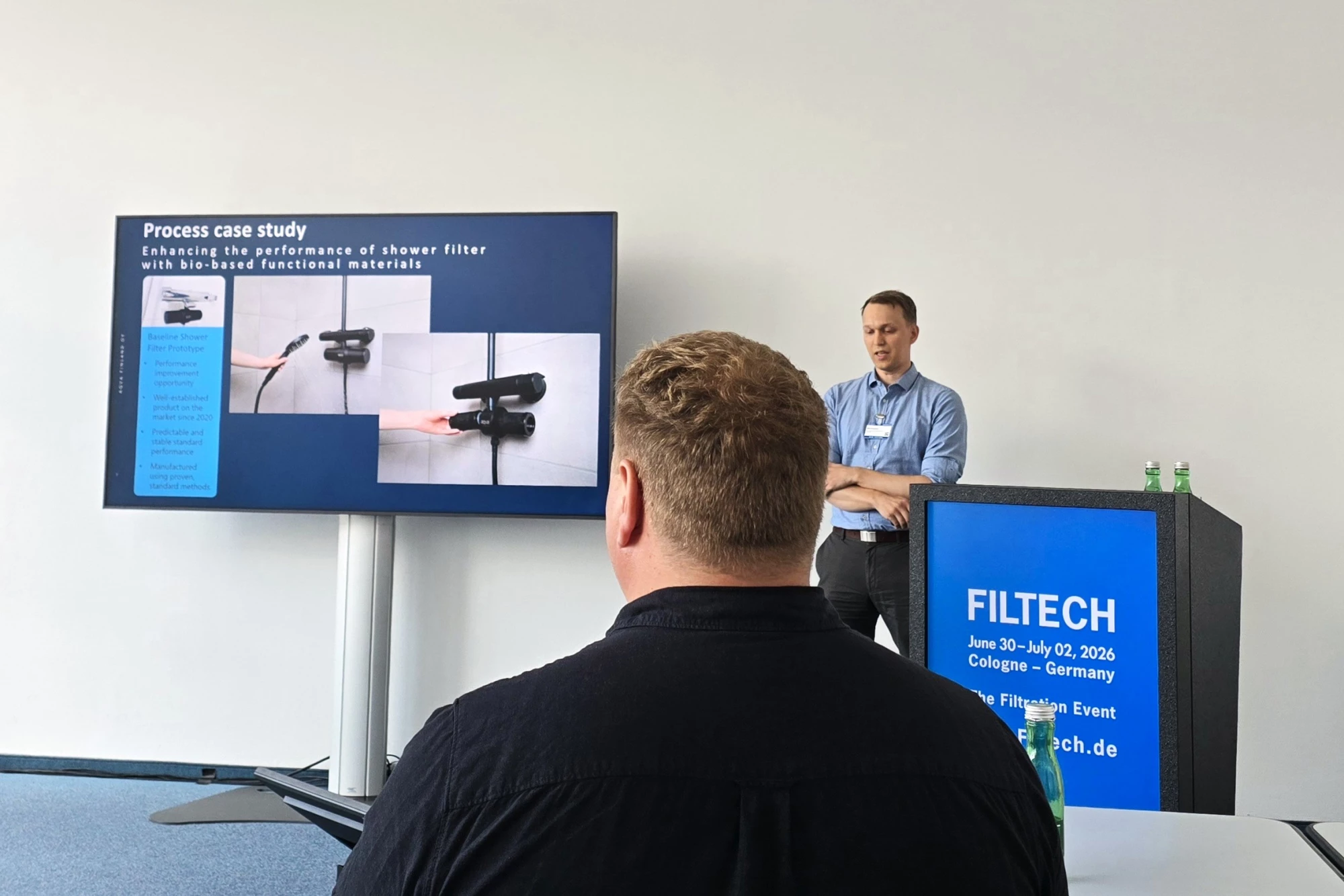
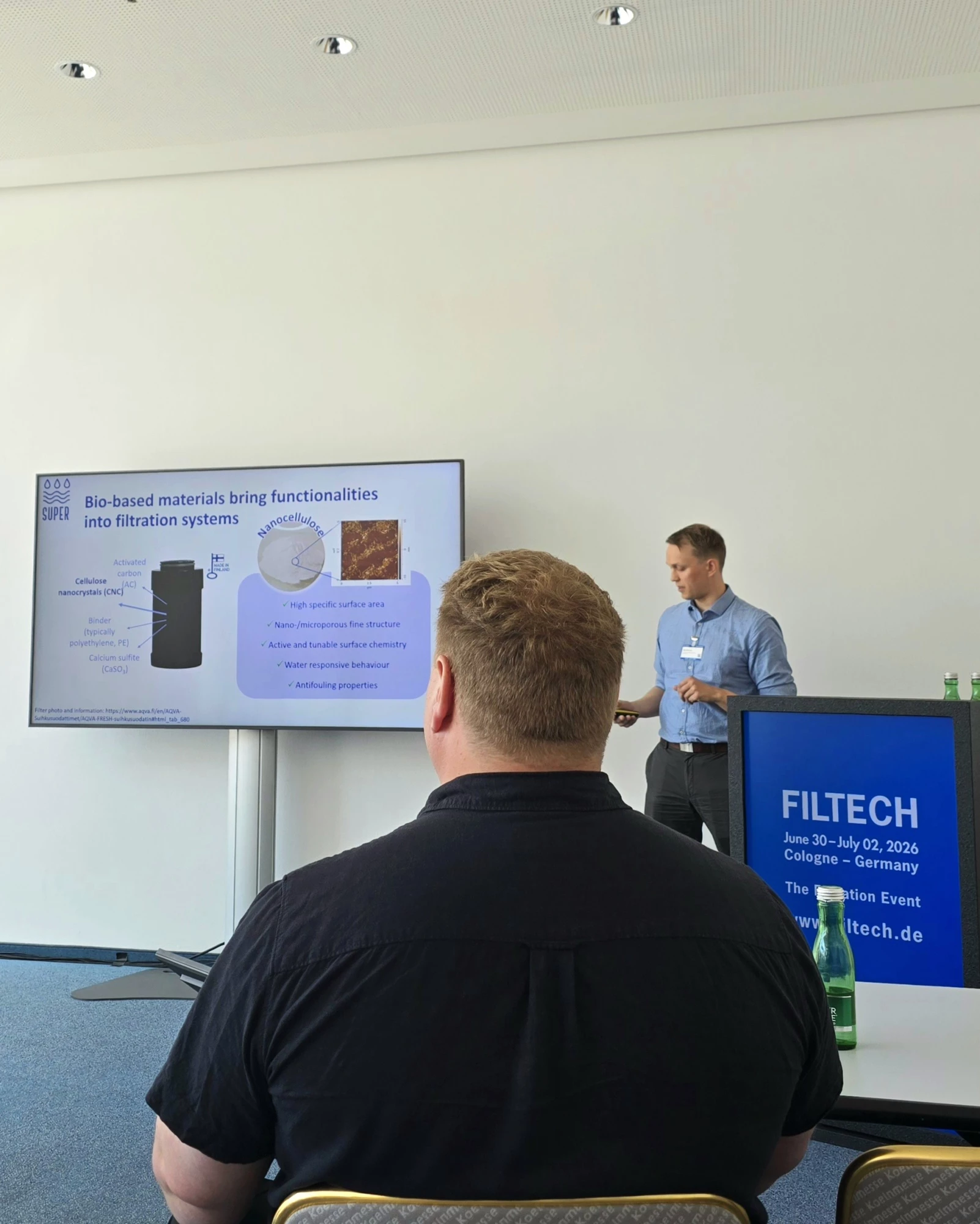
Ville Rissanen from VTT giving a presentation on research results at the FILTECH trade fair in Cologne in July 2026.
AQVA Finland develops new bio-based water filtration materials with VTT and Aalto University
Could the filtration materials used in future water filters be made from Finnish forest industry and bioeconomy raw materials? AQVA Finland, together with VTT Technical Research Centre of Finland and Aalto University, is developing new bio-based filtration materials that could improve filtration performance and reduce dependence on long international supply chains.
At AQVA Finland, the development of water purification solutions is based on research, laboratory testing and practical experience in treating different types of water. In our water laboratory in Herttoniemi, Helsinki, we analyse water quality, test filtration materials and verify product performance before products are added to our range.
The close cooperation between our in-house laboratory, product development and production enables new solutions to be tested quickly both in laboratory conditions and in environments that reflect real-world use. This practical research and development work also forms the basis for cooperation with VTT and Aalto University.
Filtration materials plays a key role in water purification
The performance of a water filter depends not only on the design of the device. Equally important are the types and quantities of filtration materials used inside it, as well as the way water flows through them. Different materials can bind or reduce the concentrations of different substances in the water. Water flow rate, contaminant concentrations and combinations of filtration materials also affect overall filtration performance.
At AQVA, we have developed water filters for treating municipal water, well water, lake water and seawater. Experience across these different applications has given us a broad practical understanding of the requirements filtration materials must meet under real-world conditions. In the research collaboration, our role is to contribute this practical water purification expertise to the development of new materials. This includes identifying promising raw materials, testing them in different filtration solutions and assessing their potential for future commercial applications.
"Our goal is not to find a material that is interesting only because it is bio-based or sourced in Finland. It must also work genuinely well in water filtration," Otto Manninen, AQVA Finland
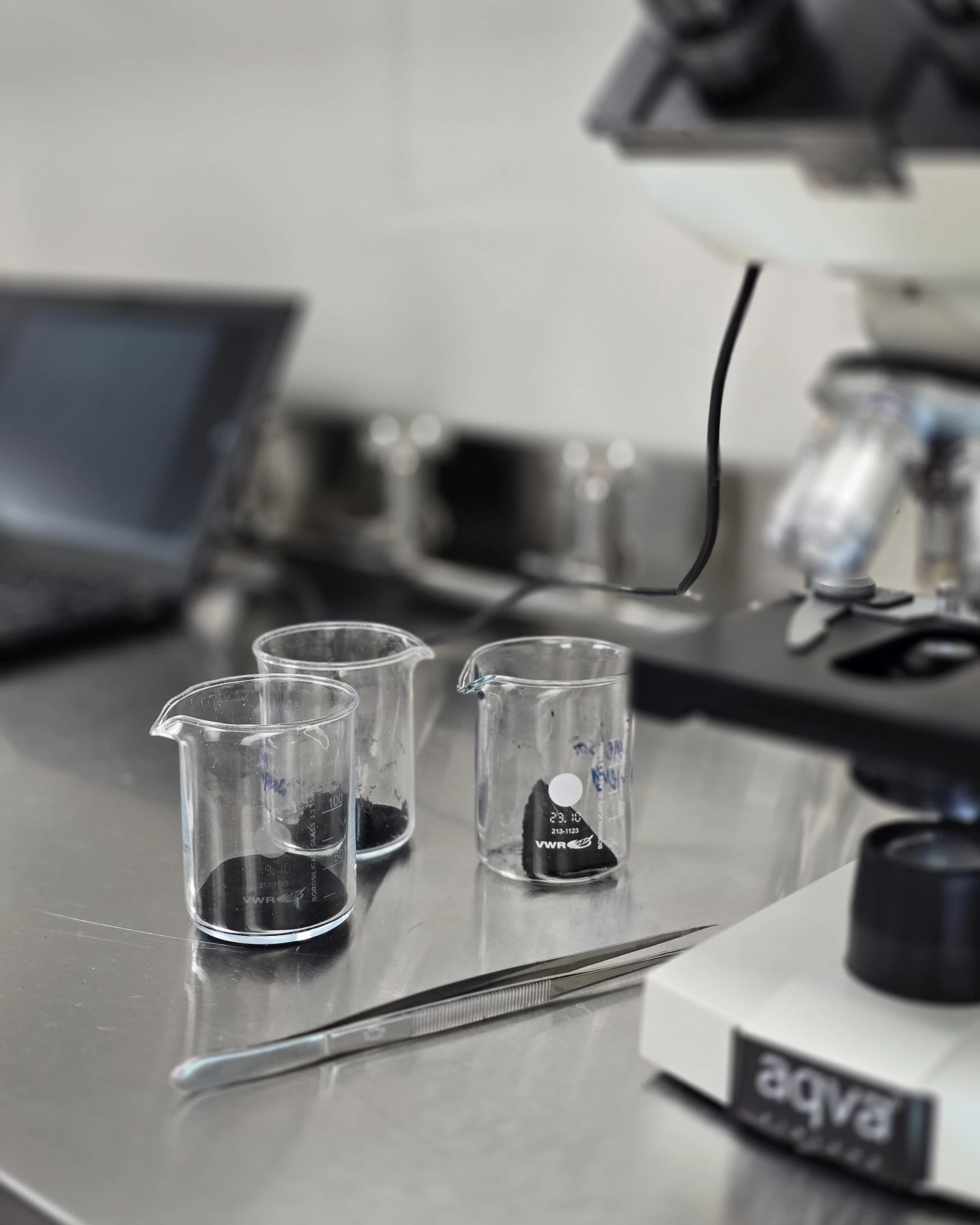
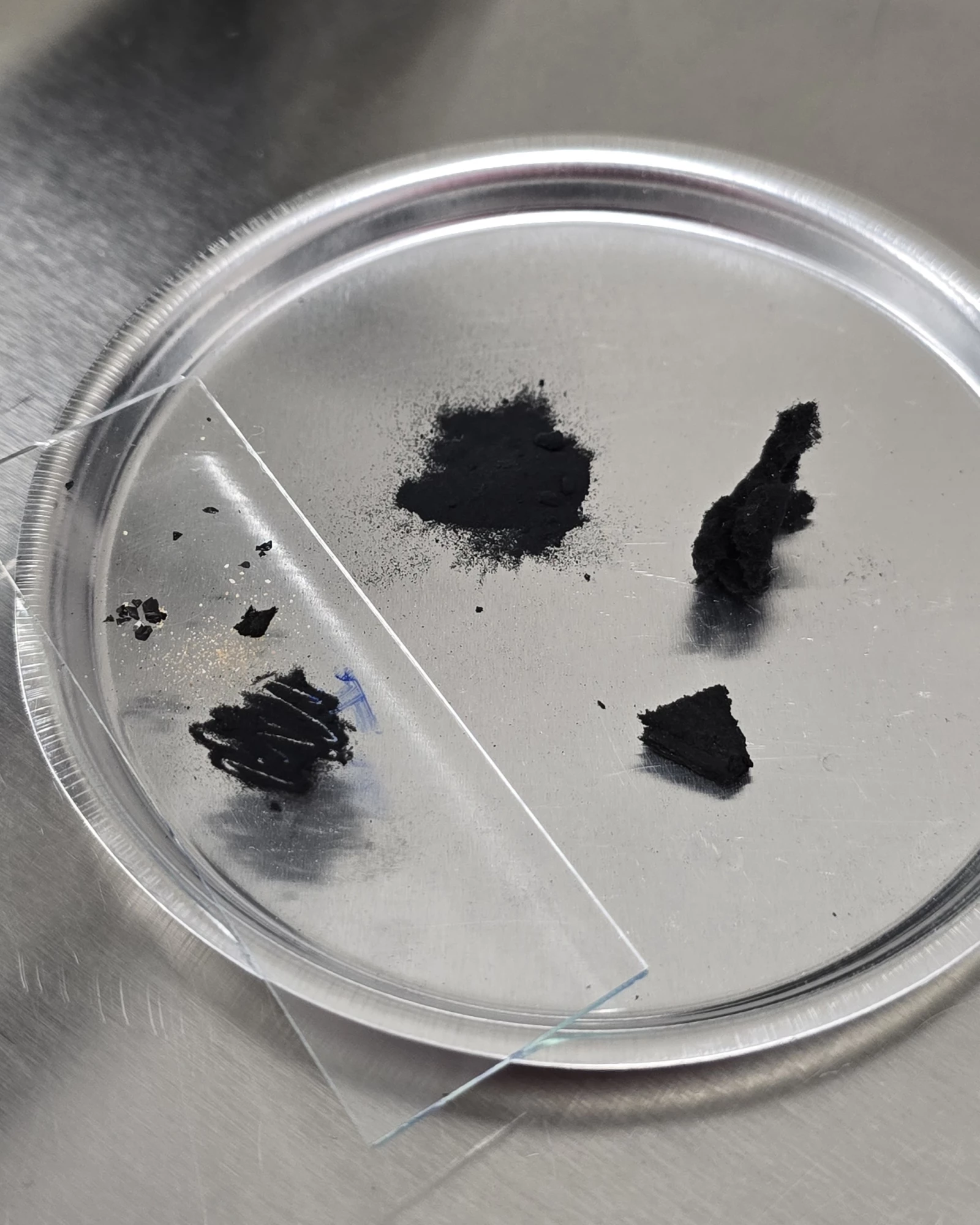
The goal is to develop new filtration materials from Finnish raw materials
Many materials commonly used in water filters are currently imported from outside Europe. Long supply chains can create challenges related to material availability, delivery times, costs and traceability. For a water purification company like AQVA, reliable access to filtration materials is essential. Products and replacement filters must remain reliably available to customers even during disruptions in international supply chains.
This need led to the start of AQVA Finland's research and development collaboration with VTT and Aalto University. The aim is to identify new filtration materials derived from Finnish forest industry and bioeconomy raw materials. Materials produced in Finland or elsewhere in Europe could strengthen security of supply and improve material traceability in the future. At the same time, new high-value applications could be created for forest industry side streams and other bio-based raw materials.
Combining materials research with AQVA Finland's practical expertise
The collaboration began through the FinnCERES flagship programme established by VTT and Aalto University. The work has since continued as part of Business Finland's SUPER co-innovation project, which focuses on the properties of cellulose-based materials and the development of new high-tech applications. VTT and Aalto University contribute leading Finnish and international expertise in the chemical properties of filtration materials. AQVA Finland, in turn, brings expertise in water filtration technology, filter devices, commercial applications and the testing of materials under real-world conditions.
Over the course of three years, approximately 30 different raw materials have been evaluated through the project and AQVA's parallel testing. The research has focused particularly on cellulose-based and biochar-based materials derived from forest industry side streams and other natural raw materials. Promising materials have moved quickly from the research phase into AQVA's own laboratory testing and production trials. This has enabled us to assess how the materials perform in practice and what changes their use would require in the design and manufacturing of water filters.
The progress and results of the project have been presented in several publications and industry events. In summer 2026, the collaboration and its research results were presented at events including the FinnCERES seminar in Otaniemi and the international FILTECH event in Cologne, Germany. Read an article about the project results in the Filtration + Separation magazine.
"This is AQVA Finland's first project of this scale with academic research organisations. It has been particularly rewarding to see how effectively the materials expertise of the research organisations complements our practical expertise in water purification. Promising raw materials have moved quickly into laboratory testing and production trials," says Otto Manninen, Director of AQVA Finland's Water Purification Unit.
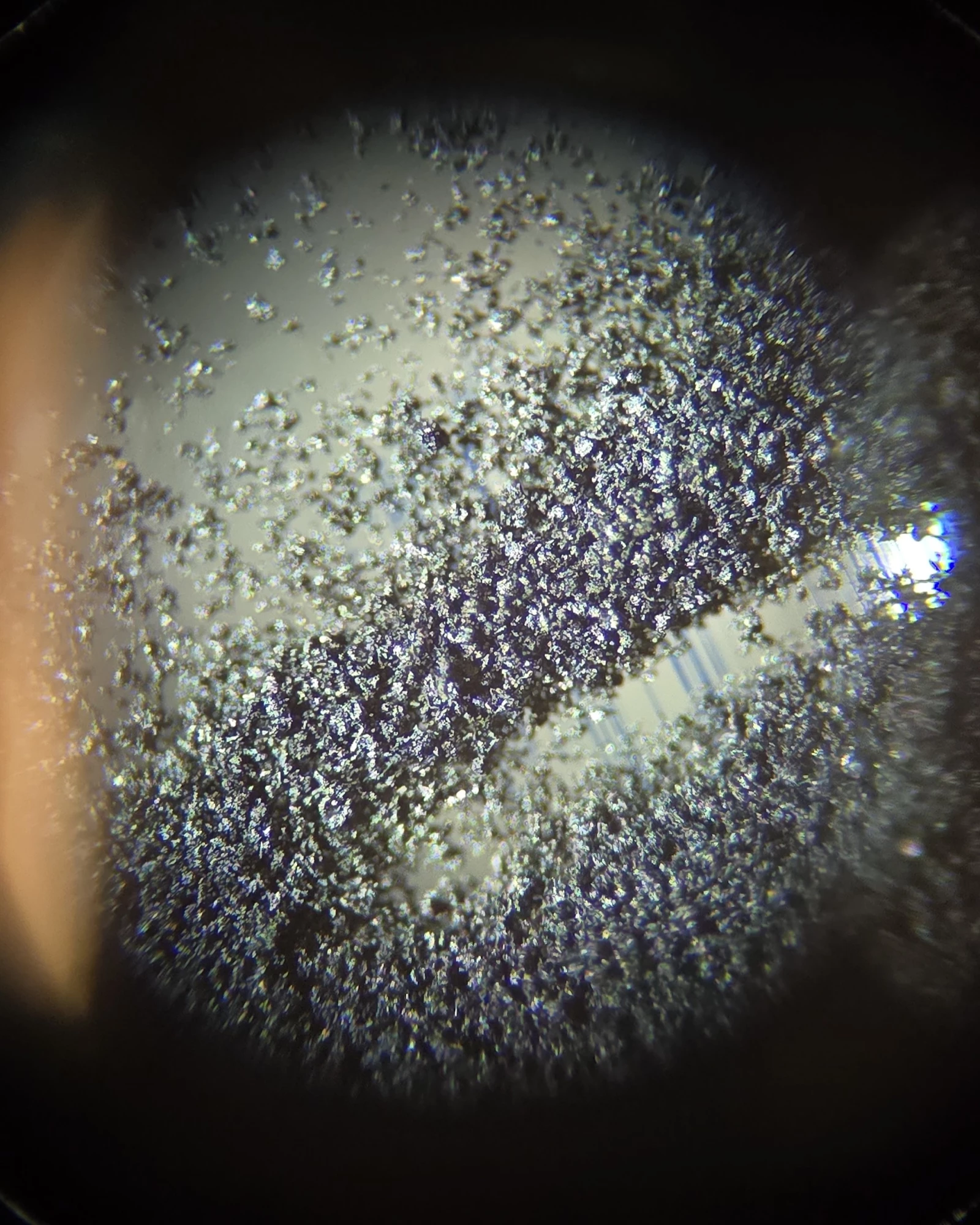
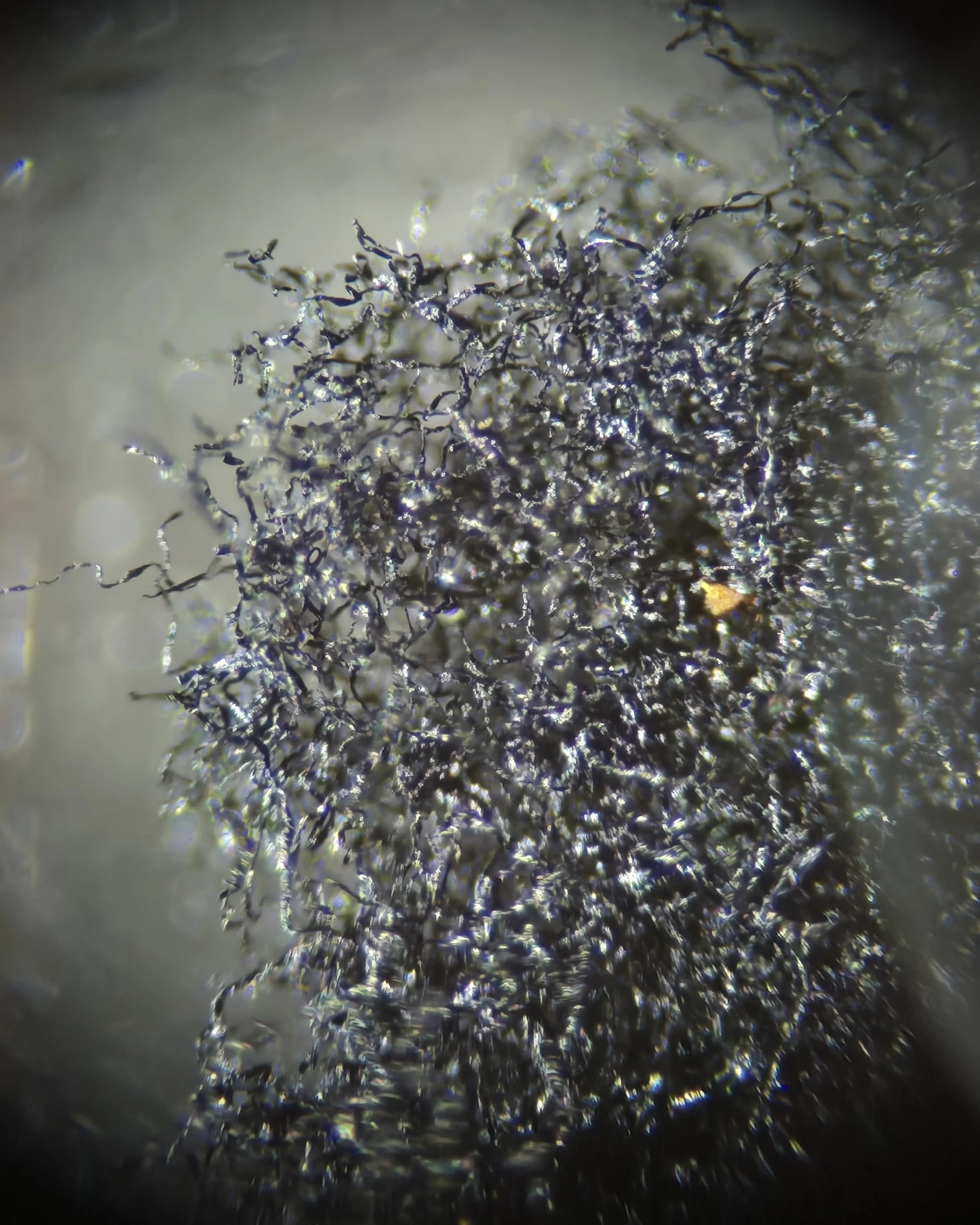
Cellulose significantly enhanced the removal of oxidised iron
Promising results have been obtained in the research collaboration, particularly with cellulose-based and biochar-based materials. In tests, adding approximately 5 to 7 percent cellulose to an activated carbon-based filtration component improved the removal of oxidised iron from water by 30 percent. Biochar produced from Finnish raw materials also achieved very promising results.
The results indicate that bio-based materials could potentially improve the performance of current activated carbon filters. The project is also investigating the potential of biochar to partially or completely replace activated carbon in future filtration solutions. However, from AQVA's perspective, individual laboratory results are only one part of the picture. It is essential to determine whether filtration performance can also be maintained under real-world conditions, in larger production batches and throughout the entire service life of the filter.
It's a long way from research results to finished products
The development of a new filtration material does not end when the material achieves good filtration results in the laboratory. Before a new material can be used in a water purification product for consumers or professional users, several factors must be verified:
- filtration performance with different water qualities
- performance at different flow rates
- safety in the treatment of drinking water or service water
- consistency between production batches
- sufficient service life and long-term performance
- material availability and traceability
- suitability for industrial production
- manufacturing costs and final product cost
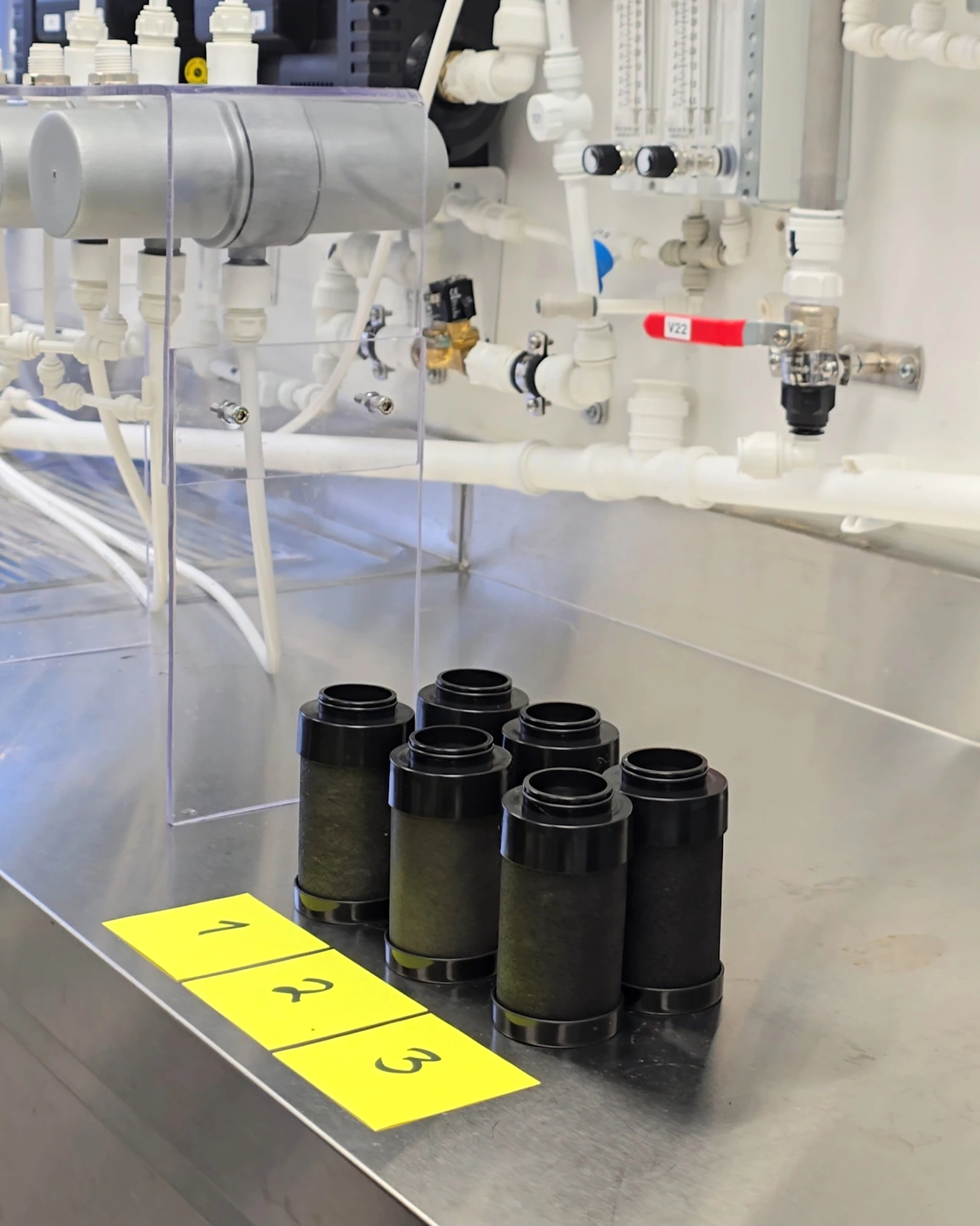
AQVA's own water laboratory and production play an important role in this process. When material developed in research organizations is available for testing, we can evaluate its performance in existing filter structures, manufacture experimental filter cartridges and monitor their performance in practice.
"Our goal is not to find a material simply because it is bio-based or sourced in Finland. It must also perform genuinely well in water filtration. A material suitable for a commercial product must be efficient, safe and consistent in quality, and it must be possible to manufacture it at an industrial scale at a reasonable cost," Manninen emphasises.

AQVA Finland – Finnish Design and Manufacturing
Finnish online shop


AQVA Finland
Open on weekdays 09–17
010 321 5080 (Mon–Fri, 10:00–15:00)
myynti@aqva.fi
Business ID: 2351337-8
